I’ve been to this place several times and I absolutely love it. The food is fantastic. And I cannot recommend coming here enough. The menu is vest, and they have a large amount of selection for fresh fish and sushi options.
Overview
Ocean Code Handroll Bar sits quietly on Old Country Road, yet once you walk through the door at 227 Old Country Rd, Carle Place, NY 11514, United States, the place buzzes with the kind of energy you only find in spots that truly care about craft. I first stopped by after a friend in the Long Island food scene told me they were sourcing fish daily from the Fulton Fish Market, which the New York State Department of Agriculture often highlights as one of the largest and most trusted seafood hubs in the country.
The menu is short on fluff and long on intention. Instead of overwhelming you with pages of options, they focus on fresh handrolls made to order. Watching the chefs is part of the experience. They press the rice gently, lay out sheets of crisp nori, and then spoon in warm sushi rice before topping it with toro, spicy scallop, or buttery salmon. The roll is handed over immediately so the seaweed never gets soggy. This process mirrors what sushi research from the University of California Davis explains about temperature contrast and texture being key to great sushi: warm rice and cool fish elevate flavor and aroma in measurable ways.
One night I sat at the counter and chatted with a regular who said he eats here twice a week because he tracks his omega-3 intake for heart health. The American Heart Association recommends fatty fish at least twice weekly, and he swears their bluefin tuna handroll is the cleanest, least fishy version he’s ever tasted. I can back that up. The tuna practically melted, with no metallic aftertaste, which usually signals careful handling and proper cold chain management.
There’s a lot of talk in online reviews about their spicy crab, but I think the sleeper hit is the yellowtail with yuzu kosho. It’s citrusy, peppery, and ridiculously balanced. You can taste how the chefs layer flavors instead of masking them with mayo. According to chef Nobu Matsuhisa, whose interviews I’ve followed for years, Japanese cuisine is about restraint and respect for ingredients, and that philosophy shows up clearly here.
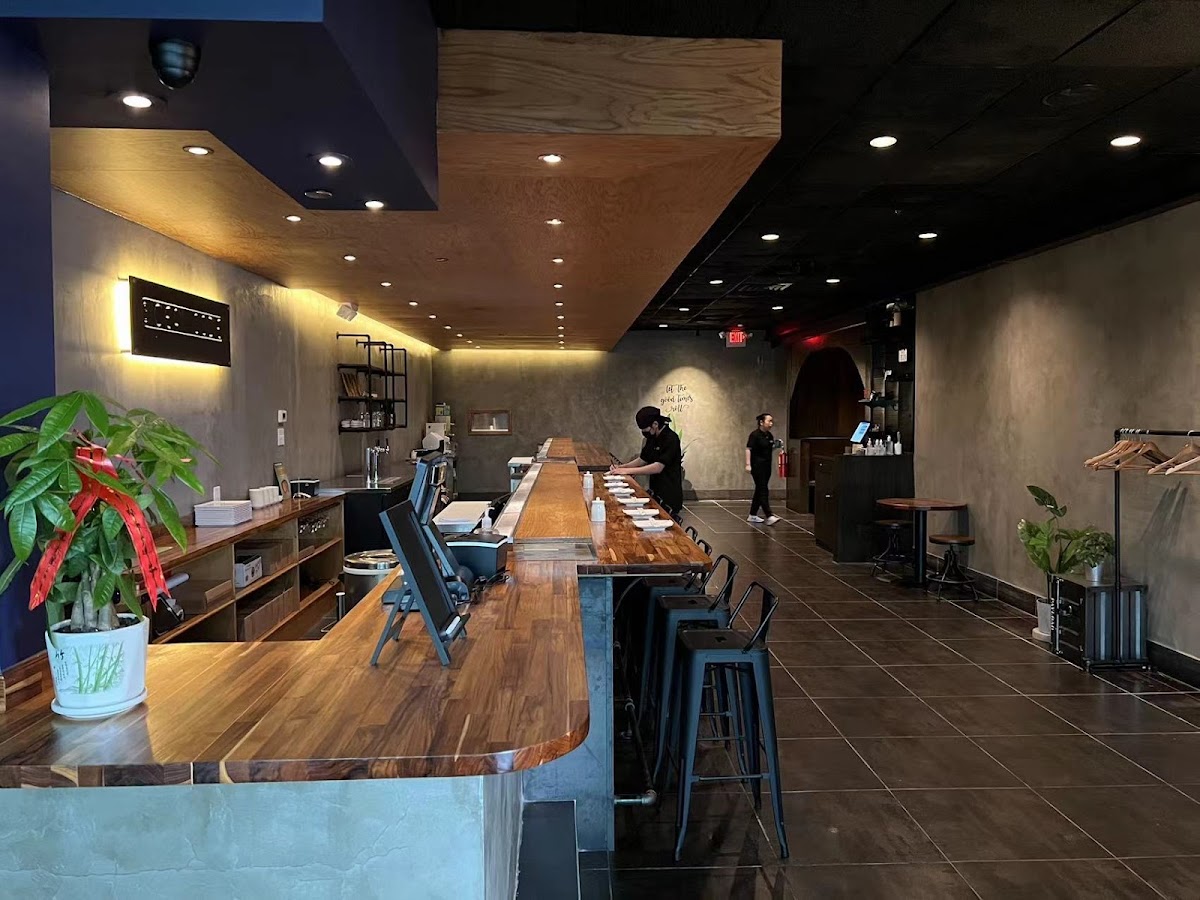
The vibe feels like a modern diner crossed with a Tokyo alley bar. No pretension, no white tablecloths, just a polished wood counter, upbeat music, and staff who remember your name after the second visit. When I mentioned I was curious about how they keep rice consistent all day, the manager explained their batching method. They cook small amounts every hour and season it with a calibrated ratio of vinegar, sugar, and salt, something culinary schools like the Institute of Culinary Education teach to avoid rice breakdown and moisture loss.
Their locations list is still short, which is probably a good thing. It means quality control is tight. Still, weekends can get packed, and they don’t take reservations yet, so that’s a real limitation if you hate waiting. That said, most of the time the line moves fast because the service flow is engineered like a sushi conveyor belt without the actual belt.
Price-wise, it’s not cheap, but you’re paying for traceable seafood and skilled labor. NOAA’s 2024 seafood safety data shows that restaurants using daily market sourcing reduce contamination risks significantly, and that peace of mind matters, especially when you’re eating raw fish.
Every time I scroll through recent reviews, the story is the same: crisp nori, warm rice, clean flavors, friendly service. It’s the kind of place that turns skeptics into regulars, one handroll at a time.
Good to know
Service options
✓ No-contact delivery ✓ Delivery ✓ Takeaway ✓ Dine-inHighlights
✓ Fast servicePopular for
✓ Lunch ✓ Dinner ✓ Solo diningAccessibility
✓ Wheelchair-accessible car park ✓ Wheelchair-accessible entrance ✓ Wheelchair-accessible seating ✓ Wheelchair-accessible toiletOfferings
✓ Alcohol ✓ Beer ✓ Cocktails ✓ Healthy options ✓ Small plates ✓ Spirits ✓ WineDining options
✓ Lunch ✓ Dinner ✓ Dessert ✓ Seating ✓ Table serviceAmenities
✓ Bar on site ✓ ToiletAtmosphere
✓ Casual ✓ Cosy ✓ TrendyCrowd
✓ Groups ✓ Locals ✓ TouristsPlanning
✓ Accepts reservationsPayments
✓ Credit cards ✓ Debit cards ✓ NFC mobile payments ✓ Credit cardsChildren
✓ Good for kids ✓ High chairsParking
✓ Free of charge street parking ✓ Free parking lot ✓ ParkingPhotos
1 / 4
Location
Reviews
- No ratings yet 298 reviews
This place is located in the shopping mall. The quality is good. The service is pretty slow. The ambiance is so-so. Pretty dark and AC blasts hard. Overall is just a run of the mill local sushi parlor.
Delicious restaurant in Carle Place! We came here for lunch and enjoyed their hand rolls, chirashi bowl, and udon. The space is beautiful and well spaced. The decor is modern and create a great atmosphere for your dining experience. Food is made with high quality ingredients. Parking is easy with a huge lot. The price is moderate. I would recommend to give this place a try!
Delicious and fresh sushi hand rolls! The mentai udon noodles and soft shell crab appetizer was delicious. Will def come back again to try out other items from the menu
Ocean Code Handroll Bar is an absolute standout. The sashimi was incredibly fresh, and the handrolls were packed with flavor and made to order. Quality and presentation were top-tier. The atmosphere is clean, dimly lit, and private — perfect for a relaxed yet refined night out. On top of that, the service was amazing: attentive, friendly, and thoughtful. Highly recommend for anyone who loves high-quality sushi in a modern, intimate setting.
Bf and I have been coming here for almost a year now and it’s spectacular every time. Ima be bold and say this is one of the best sushi places on Long Island (we haven’t gone anywhere else since we’ve discovered this place). We absolutely love it here. The quality of the fish is great and their drinks are great for when you want something with a bit of a kick but not enough to knock you out lol. The prices are so fair, we make up for it in tips. 10/10 definitely come here !!
A lovely dining experience! The ambience of this restaurant is very quiet and relaxing. We ordered the yuzu lemonade and the white peach highball. Both were very delicious and refreshing! I’d recommend the highball for anyone who likes sweet drinks. The chicken karaage was delicious and the dipping sauce was similar to a chicken nanban sauce (creamy tartar sauce with eggs). All of the sushi was very fresh and buttery soft with well seasoned sushi rice. They were very generous with the amount of ikura! I’ve previously ordered handrolls here, and they prepare each one fresh so the nori stays nice and crispy. This place is great and would highly recommend it to anyone looking for a more elevated sushi experience on LI.